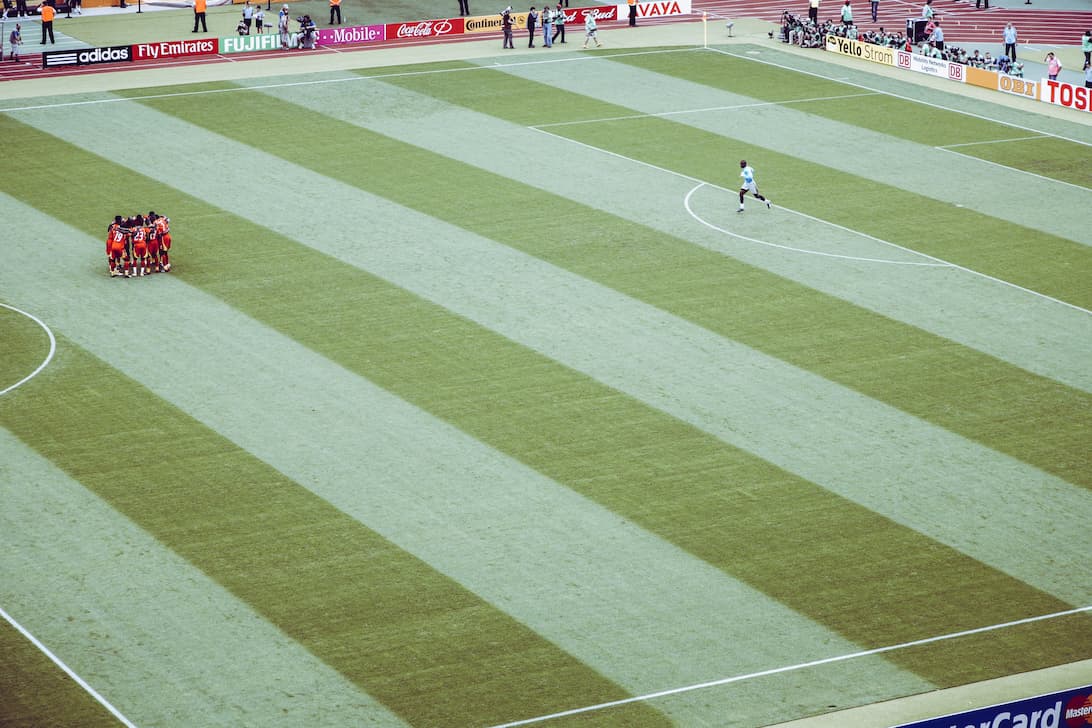
Home advantage has always been part of sports, but what if it’s not only about fans, travel distance, or comfort? A growing theory suggests that stadiums are not neutral spaces. They are engineered environments designed to subtly benefit home teams. Architecture at 20Bet becomes strategy, and the playing field may not be as fair as it looks.
More Than Brick and Concrete
A stadium isn’t just a building. It’s a psychological weapon. Architects and sports engineers work with data on crowd acoustics, lighting angles, airflow, turf friction, and visual distractions. Every detail shapes how players think and move. The structure itself becomes part of the match.
Acoustics Designed to Break Momentum
Soundwaves can change competition. Architects create “hotspots” of amplified noise right where the away side most needs concentration—near the goal, at the penalty area, or along the visiting bench. The home team trains with the noise. The away team drowns in it.
Lighting That Favors Familiar Eyes
Lighting feels neutral, but it isn’t. Some stadiums are built so that the sun or spotlights shine directly into the eyes of visiting players during certain halves. Even indoor arenas use spotlight angles that help the home team read the field faster. Vision turns into an advantage.
The Grass That Plays Favorites
Turf isn’t just turf. Teams have preferences—fast surfaces, slow surfaces, slick surfaces, or high-friction grass. Home stadiums are designed around the team’s playing style. Passing teams want short turf. Rough defensive teams want longer blades to slow the ball. Away clubs must adapt instantly; the home team never has to.
The Stadium as a Psychological Cage
Some arenas are built as open, welcoming spaces. Others are tall, enclosed, and designed to intimidate. Walking into a narrow tunnel before entering the field raises heart rate and anxiety.
Tight seating keeps fans close enough to feel like walls.
Architecture becomes psychology.
Crowd Proximity Is Not Random
In many modern stadiums, home fans sit closer to the field—especially near corners and free-kick positions. The away supporters are placed high, far, and isolated. Distance changes pressure. Loudness changes confidence. The sport is the same. The environment isn’t.
The Strategic Wind
Outdoor stadiums can influence airflow. Some are designed to direct wind toward one end of the field. Kicks travel differently. Trajectory shifts. Long passes lose distance. Home players know which way the wind moves. Away players learn too late.
Sightline Manipulation
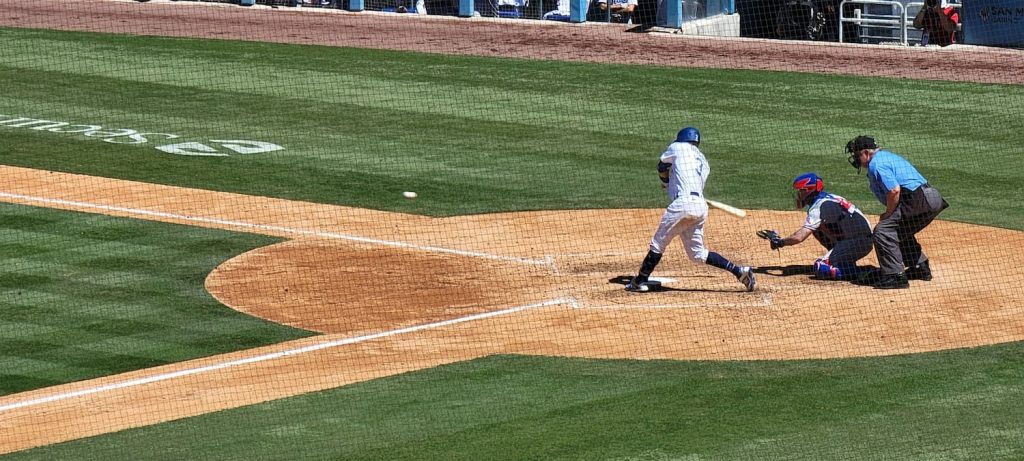
Some stadiums feature visual distractions only the visiting players have to face—advertising boards behind the goal, bright seating colors, or shifting LED patterns. The home players train with it every day. For visitors, the field becomes harder to read.
Are These Designs Intentional?
Architects do not publicly admit to “rigging” matches, but planners quietly reference “home optimization.” Front offices ask for stadium features that boost home confidence, suppress opponent communication, and increase crowd influence. It’s a strategic design disguised as aesthetics.
Money Loves Home Advantage
Home wins increase ticket sales, merchandise purchases, and fan loyalty. A stadium that helps a team win more matches drives revenue. Building psychological pressure into architecture becomes business logic, not coincidence. Winning teams fill seats. Losing teams don’t.
Where the Line Between Fair and Unfair Blurs
This section asks the big ethical question. If stadiums influence outcomes, is home advantage still fair? Is it acceptable because both teams get to host matches? Or does engineered pressure betray the spirit of competition? Sports pride themselves on merit, but architecture may tilt the results.
The Teams That Struggle on the Road
Some squads dominate at home and collapse away. Coaches blame travel. Analysts blame preparation. But sometimes the issue is simply environmental dependence. A team trained in acoustics, lighting, and turf designed for them loses its instincts when the stadium no longer supports them.
How Visiting Teams Fight Back
Away clubs have started hiring performance psychologists to train players in hostile environments. They practice silent communication signals. They simulate crowd noise. They rehearse uneven lighting and heat. Home advantage still exists, but resistance is growing.